
THE MILLEGAN MEMO: FEB-JUNE
Brought to you by The Woodworth Contrarian Fund
At Woodworth, we like value because it usually survives the sort of adversity that exposes everything else. This month’s Memo is about exactly that: puncturing market delusions when hype gets stupid, defending the radical act of owning boring cash-flow businesses like Kraft Heinz, and looking back to June 1775, when America tried to finance a revolution with paper promises, confidence, and the fiscal discipline of a tavern dare. From SpaceX mania to Continentals that became “not worth a Continental,” the lesson is the same: a good story can move money for a while, but reality eventually sends the invoice.
— Managing Partners Drew Millegan & Quinn Millegan
“Value in an investment is similar to character in an individual – it stands up better in adversity.”

Puncturing the Hype: How We Short Market Delusions
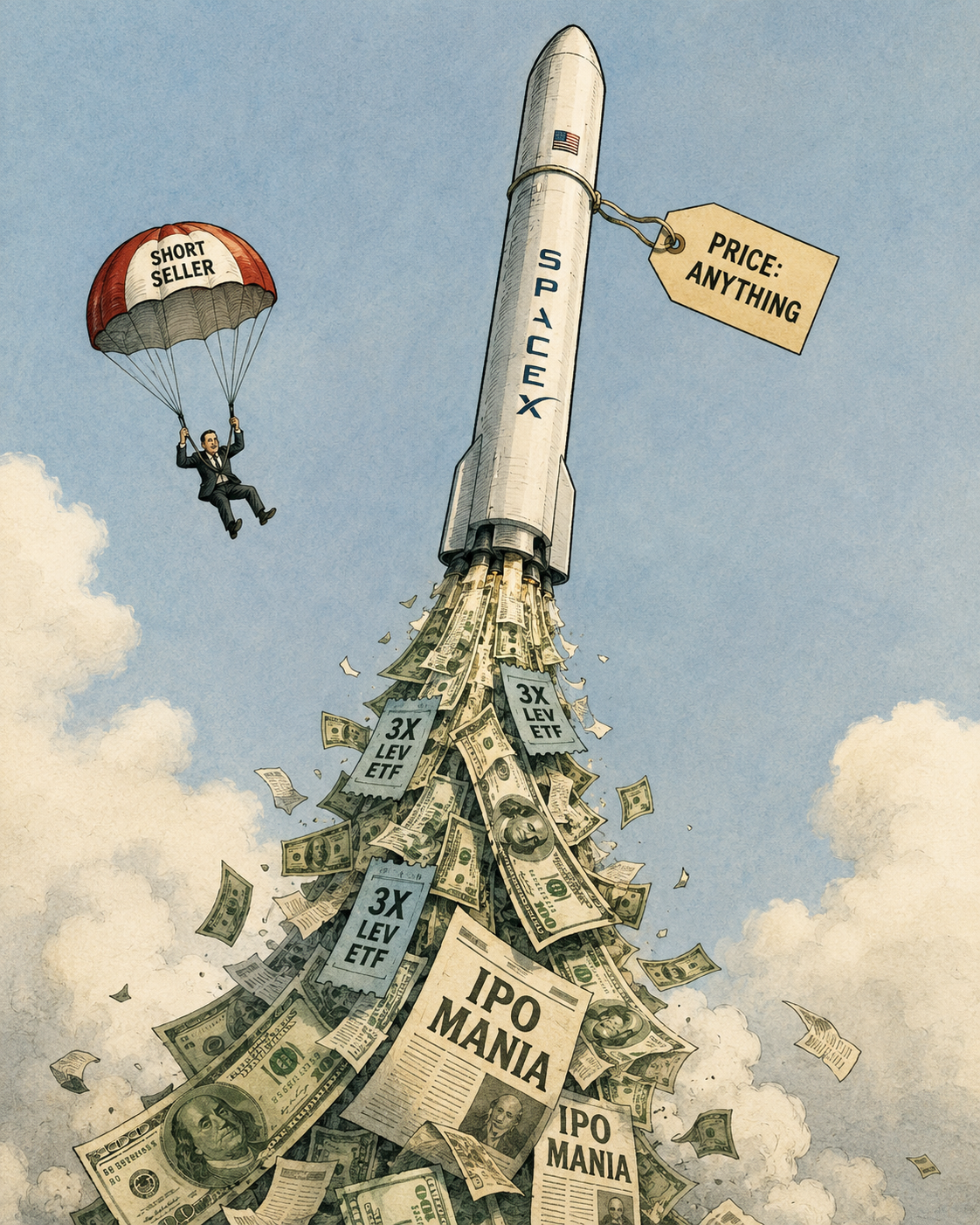
At Woodworth Contrarian Fund, we buy undervalued stocks for the long haul - but we also short. Let’s be clear, though: longs and shorts aren’t mirror images. Going long is a commitment; shorting is a tactical strike. We use the short side with different time horizons and expectations to exploit brief market delusions, hedge our risk, and juice returns.
Just look at our hit list this year: Newmont (NEM), Deere (DE), Caterpillar (CAT), Seagate (STX), Micron (MU), and SpaceX (SPCX). We didn't marry these trades. We held some for a week, others for a single day. When the SpaceX IPO sent the stock into the stratosphere, we stepped in, faded the hype spike, and got out. That’s our strike zone. We don’t short simply because a spreadsheet says a stock is expensive - the market can stay irrational for an agonizing amount of time. Instead, we hunt for catalysts and temporary, event-driven excess, like earnings overreactions or IPO hysteria, that create fast entries and exits.
Just as importantly, we don’t go dumpster diving. We refuse to short obvious corporate zombies simply because they have terrible management, mounting debt, or busted business models. Wall Street is a master at refinancing garbage to keep it alive. We also don't hunt for non-public dirt. It’s a messy, risky compliance nightmare that we want no part of. Our edge comes strictly from public facts, glaring valuation extremes, and market behavior that has divorced reality.
And right now, reality is taking a backseat. SpaceX followed its massive equity debut with a highly unusual $20 billion bond raise, while traders rabidly bid up leveraged SpaceX products. According to CNBC, leveraged U.S. equity ETFs doubled to $84 billion in just two months as investors blindly chase AI and momentum themes. Meanwhile, the Wall Street Journal is chronicling investors flocking to "Crazy Rich Returns" in Asia, and calling out Polymarket for pumping its platform with deceptive marketing and fake winning-bet videos. Everywhere you look, money is sprinting past risk.
We don't trade on politics, and we don't build a book on headlines. But we absolutely pounce when the public narrative loses its mind, because markets always price the story before the reality. Short-selling isn't a philosophical exercise for us; it's a practical tool. By harvesting these frothy dislocations, we can stay opportunistic, disciplined, and never confuse a good story with a good trade.
Learn more and take a look at our scathing pre-IPO article on SpaceX:
WHY YOU SHOULD NOT BUY THE SPACEX IPO
Please note that the Woodworth Contrarian Stock & Bond Fund, LP, of which the Millegan Brothers manage and are invested in, does not currently hold a position of SPCX as of the publication date of this article. They may or may not choose to modify their exposure to this name for any reason at any time. This is not a recommendation to buy or sell SPCX or any other name - investments incur significant risk, our risk tolerance may be significantly higher than the average investor, and any discussion in this article does not take into consideration your individual circumstances.
In addition, short selling carries an enormous amount of risk if not properly managed. Do not try to implement this kind of strategy without consulting your financial professional as there are many more factors to your overall financial picture that are not taken into account here.
Kraft Heinz (KHC): The Radical Act of Being Boring
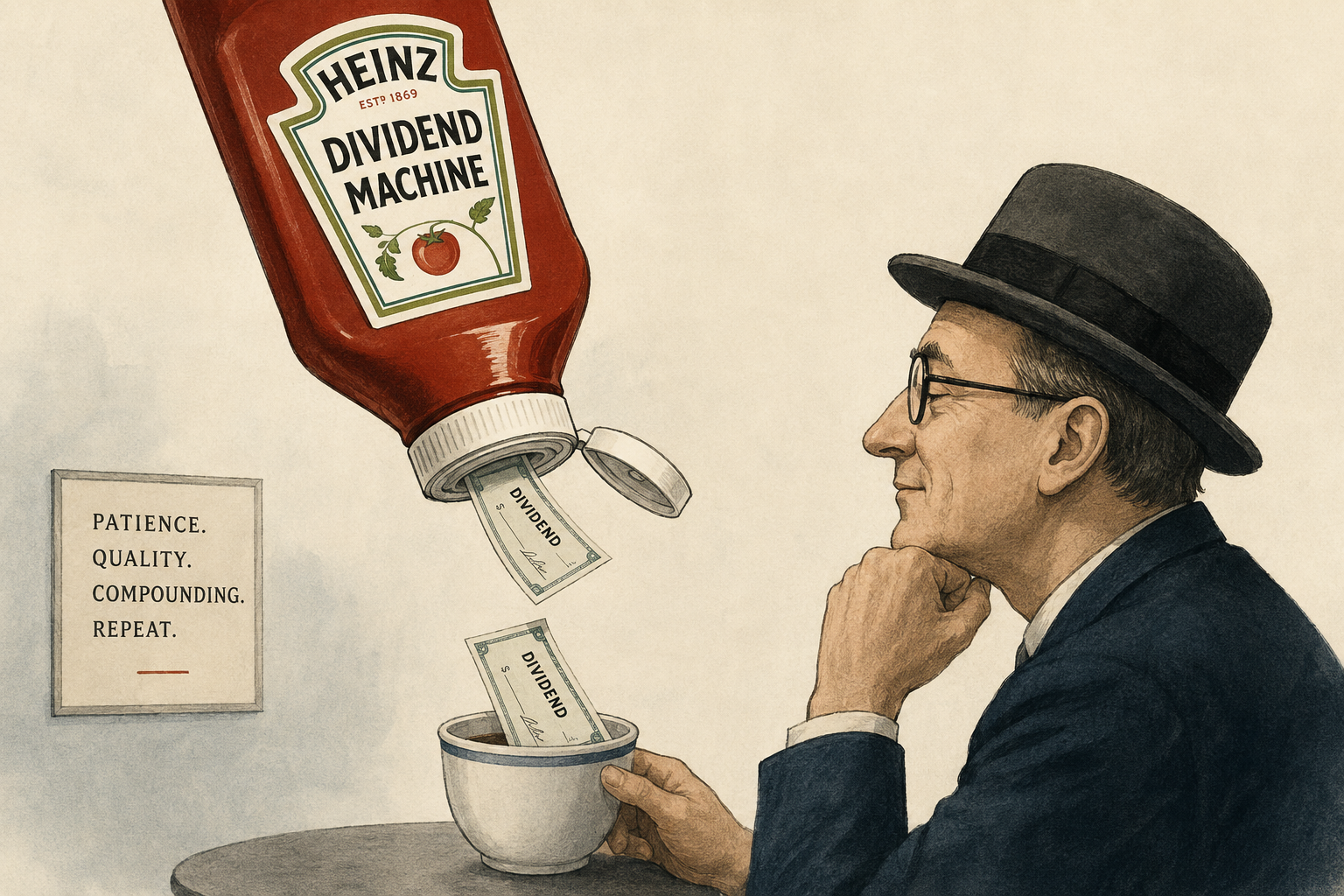
After officially killing off the old Berkshire Hathaway dream of chopping the company into pieces, Kraft Heinz has spent the last month doing something shocking: acting normal.
Effective July 1, KHC is folding its tangled operational web into a clean, three-region model and taking a much-needed weedwhacker to redundant middle management. It isn’t sexy. It won't spark a Reddit frenzy. But it is a steady, stubborn drumbeat of competence. Management is finally treating "simplification" as an actual operating blueprint rather than a generic slide in a Q3 deck.
The broader takeaway? The turnaround is quietly working and the new course is locked in. Wall Street is completely sleeping on this slow-burn cleanup, but we aren't. The market is still pricing the stock at a massive discount to its historical value - and while everyone else waits for a flashy catalyst, you get paid an over 7% dividend yield just to sit on your hands and wait. In contrast, the purportedly BBB SpaceX bonds are likely to only yield around 5.4% on a highly speculative name with no upside.
Our Take: Keep the bottle upside down. Maintain BUY.
See our full report here:
KRAFT HEINZ (KHC): LESS DRAMA MORE KETCHUP
Also - Take a look at our other January-printed stock reports you may have missed:
MGPI: DISTILLED DOWN TO VALUE - POST-EARNINGS REVIEW
WILLAMETTE VALLEY VINEYARDS (WVVI): SOUR GRAPES, STRESSED DISTRIBUTOR
Please note that the Woodworth Contrarian Stock & Bond Fund, LP, of which the Millegan Brothers manage and are invested in, currently holds a position of KHC as of the publication date of this article. They may or may not choose to modify their exposure to this name for any reason at any time. This is not a recommendation to buy or sell KHC or any other name - investments incur significant risk, our risk tolerance may be significantly higher than the average investor, and any discussion in this article does not take into consideration your individual circumstances.
June in Economic History: 1775 - Not Worth a Continental

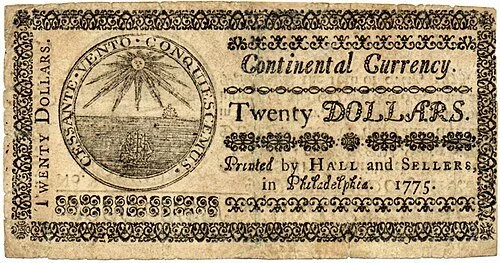
Continental Currency from 1775
With America’s 250th birthday approaching, it is worth remembering that the Revolution was not only fought with muskets, pamphlets, and powdered wigs. It was also fought with IOUs. On June 22, 1775, the Continental Congress authorized $2 million in paper bills of credit to finance “the defence of America.” This sounds official until you remember that Congress was not yet a fully functioning government so much as a patriotic group chat with nice handwriting. It had no real power to tax, no national bank, no reliable revenue stream, and no vault of silver under Independence Hall. What it did have was a war, a printing press, and confidence. So Congress did what governments under stress have always been tempted to do: it printed money and hoped everyone would behave.

Haym Salomon Illustration (U.S. National Archives and Records Administration)
For a while, the bills — known as Continentals — worked. They were denominated in Spanish milled dollars, the trusted silver coin of the era, but the notes themselves were ultimately promises: that the Revolution would succeed, that the colonies would someday redeem the paper, and that merchants, soldiers, and suppliers would accept it in the meantime. Then the war dragged on, more notes were printed, the colonies issued their own paper, the British counterfeited Continentals, prices rose, and confidence collapsed. The result was one of the great financial insults in American history: “not worth a Continental.” The lesson was not simply that paper money is bad. The sharper lesson is that paper without credible backing, fiscal discipline, or taxing power is fragile. Money is not merely printed. It is believed.
By the early 1780s, the Revolution’s finances had become a mess of depreciated currency, desperate borrowing, foreign loans, and private credit. That is where Robert Morris and Haym Salomon enter the story. Morris, as Superintendent of Finance, was trying to keep the American war machine alive with a balance sheet that looked like it had been assembled during a tavern brawl. Salomon, a Polish-born Jewish broker in Philadelphia, helped turn foreign loans and bills of exchange into usable funds, extended credit, and operated in the messy space between a government that needed money and a market that did not fully trust the government’s promises. He was not the cartoon version of legend — the lone banker who personally financed the entire Revolution — but the real version is more useful: he helped convert doubtful promises into purchasing power. Then, in a very American ending, he died broke, his estate tangled in depreciated government paper and unpaid claims. So as America approaches 250, June 22 is worth remembering as more than a currency anniversary. Patriotism can start a revolution, but credit has to carry it. The Founders understood liberty. They also learned that liberty still has invoices.
Woodworth Awarded Contrarian Fund of the Year 2025/26

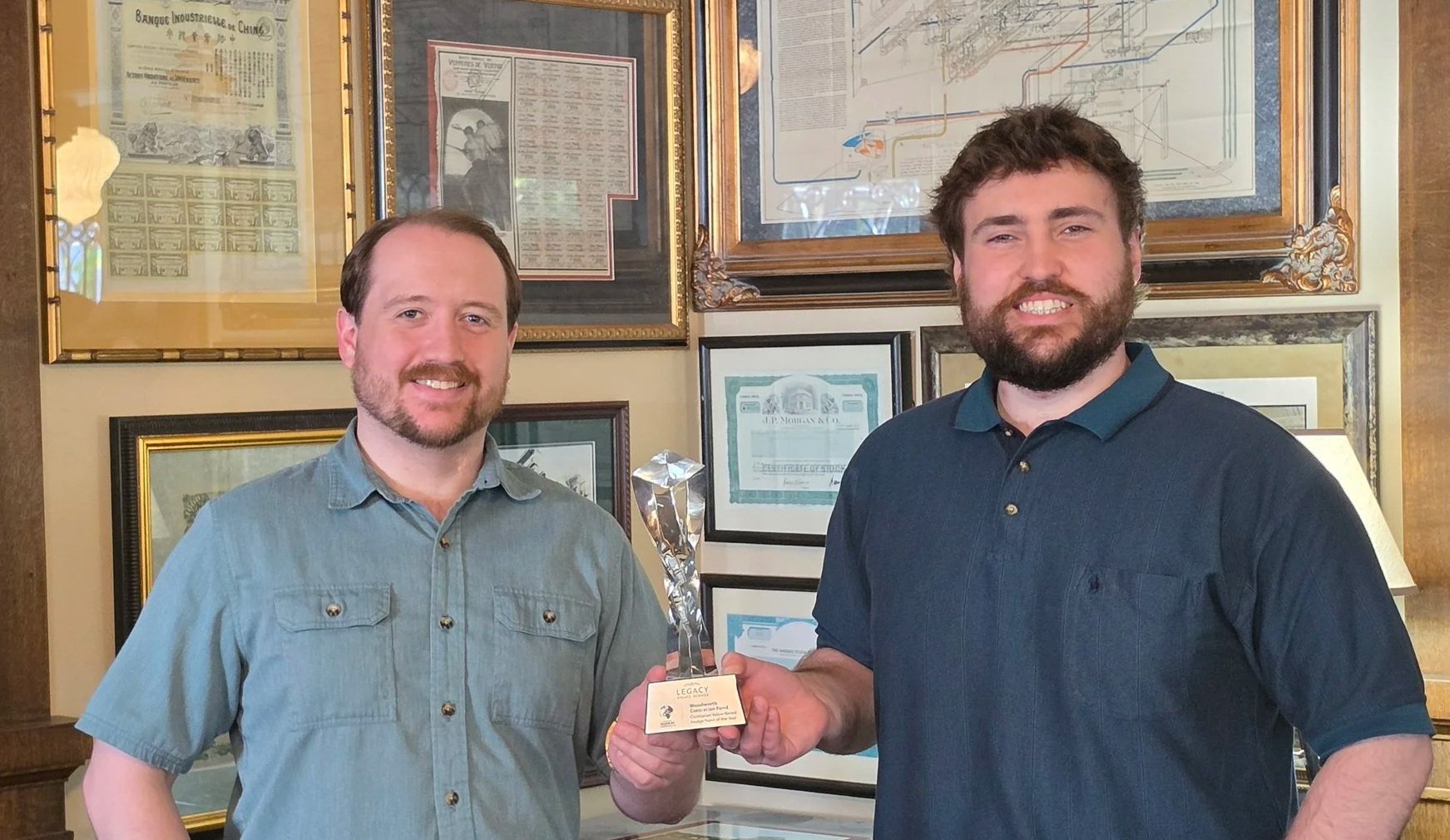
We are proud to announce that our Oregon-based fund with Deep Roots and Stubborn Growth has once again been honored by Corporate LiveWire in its Global Awards 2025/26 publication as the:
CONTRARIAN VALUE-BASED HEDGE FUND OF THE YEAR
See more here.
DON’T FOLLOW THE CROWD. CALL US TODAY & INVEST CONTRARIAN.
If you’re seeking liquid access to institutional insights within a hands-on managed, direct investment portfolio featuring differentiated strategies, the Woodworth Contrarian Fund is open to new capital. We prioritize personalized service and building lasting relationships with our investors — because your goals deserve tailored attention and transparent communication.
Ready to explore how our contrarian approach can complement your portfolio? Reach out directly to our team for detailed fund information, eligibility for accredited investors, and next steps.
Stay informed by subscribing to the Millegan Memo and listening to the Capital Call podcast, where we share timely perspectives and in-depth market analysis.
Your next investment opportunity begins with a conversation — contact us today to learn more.
DEEP ROOTS. STUBBORN GROWTH. OREGON-BASED.
Now is a great time to diversify your portfolio with an investment into an award-winning fund. Call us or visit our website to inquire on an investment today in the Woodworth Contrarian Fund as an accredited investor.
(800) 651-1996 - info@woodworth.fund - www.Woodworth.Fund
Contrarian Value-Based Hedge Fund of the Year 2022-2026

Quinn Millegan (left) & Drew Millegan (right)
About the Managers: Brothers Drew Millegan and Quinn Millegan manage the Woodworth Contrarian Stock & Bond Fund, a hedge fund based in McMinnville, Oregon. They grew up in the finance world, and specialize in contrarian investment strategies in the US Public and Private markets.
Something missing from your portfolio may be a diversification into the Woodworth Contrarian Fund for accredited investors. Now is a great time to diversify your portfolio with an investment into a multi-award-winning fund. An exposure to a value-based contrarian strategy is a unique opportunity for your long term capital that you’re seeking aggressive returns for. With nine years of the Woodworth Fund under management, the Millegan Brothers are trained stock-pickers and experienced venture capital investors with a proven track record. Give us a call today to discuss a liquid investment with independent administration and independently audited monthly statements and a personal relationship.

