
KRAFT HEINZ (KHC): LESS DRAMA MORE KETCHUP
Brought to you by Drew Millegan & The Woodworth Contrarian Fund
Woodworth Contrarian / Gemini 2026
Kraft Heinz is not suddenly a glamour stock, and that is precisely what makes it interesting. The first-quarter update did not offer some miraculous reinvention; instead, it offered something much more useful: evidence that the company is still throwing off cash, still protecting the dividend, and finally spending more time building brands than contemplating corporate dismemberment.
From a value contrarian perspective, that is the point. The stock does not need a heroic narrative. It needs competent execution, steady capital allocation, and a management team willing to invest for the long term rather than chasing the sort of strategic theatrics that make bankers wealthy and shareholders tired.
The Quarter Was Better Than It Looks
On the surface, this was not a blockbuster quarter. Organic net sales declined 0.4 percent, adjusted EPS fell to $0.58 from $0.62, and adjusted operating income was down year over year as Kraft Heinz stepped up marketing and absorbed inflationary pressure. But the business still came in ahead of management’s expectations, and that matters because expectations for Kraft Heinz have not exactly been strenuous lately.
More important, the underlying signs were better than the headline numbers suggest. Management pointed to improving market share trends, especially in Taste Elevation segment known for such staples as Kraft Mac & Cheese, Philadelphia Cream Cheese, and the eponymous Heinz, where the percentage of revenue gaining or holding share improved sharply, and the company said investments begun in the second half of 2025 are now showing early payoff. This is not what a dying brand portfolio looks like; it is what a neglected one looks like when somebody starts feeding it again.
The Dividend Still Matters
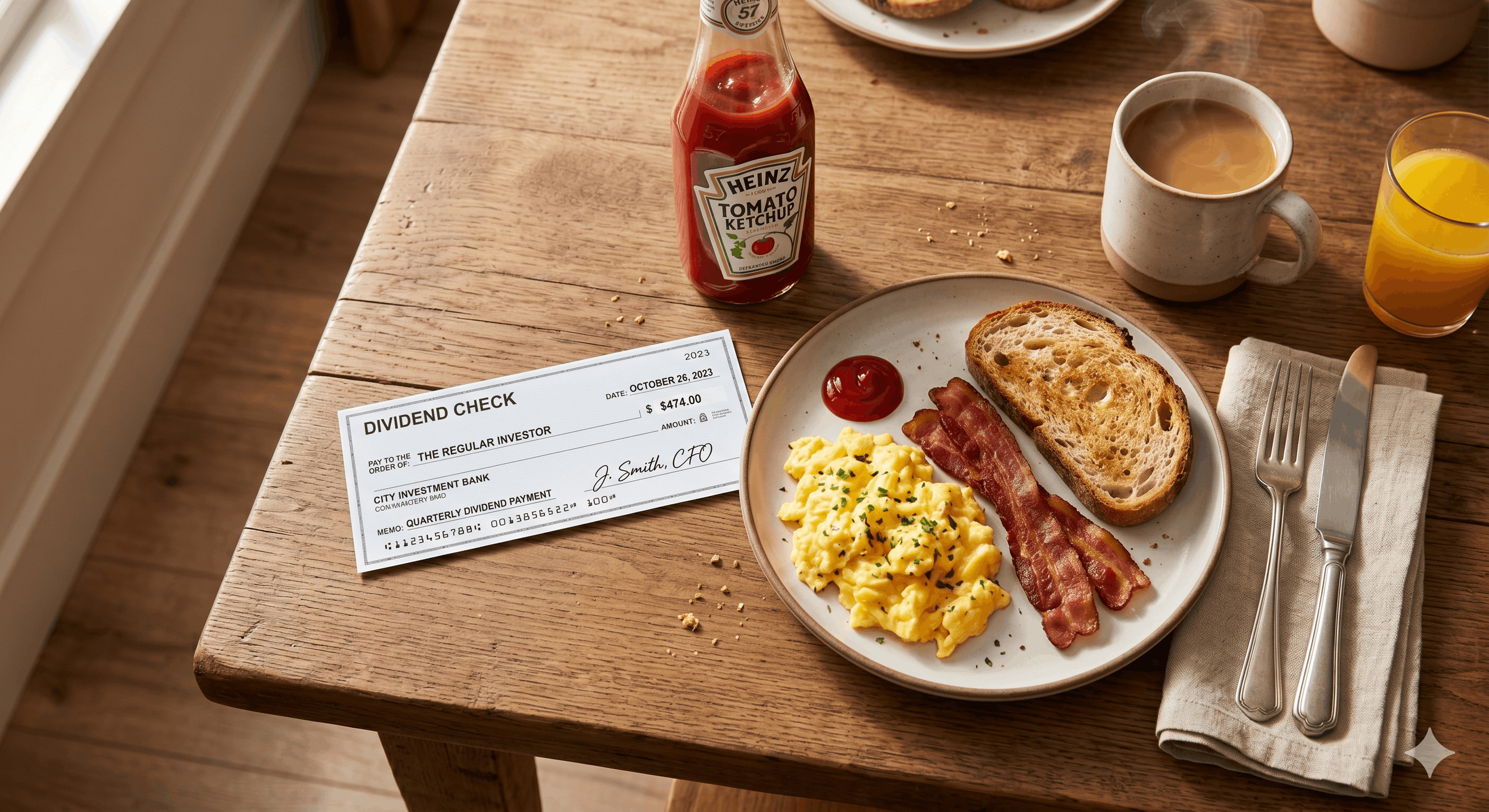
For a stock like KHC, the dividend is not a side detail; it is a core part of the case. Kraft Heinz paid $474 million in cash dividends at $0.40 per share in the first quarter, and management explicitly said sustaining the dividend remains a capital allocation priority alongside protecting the investment-grade balance sheet. At the most recent market close of $23.96 as of writing, that pegs the current yield of Kraft Heinz shares at a healthy 6.6-plus percent.
That commitment looks credible. Free cash flow rose to $766 million in the quarter, free cash flow conversion (the efficiency of actual free cash flow creation as divided by the company’s operating profits) hit a stellar 111 percent, and management reiterated that strong cash generation and the balance sheet give the company flexibility to reinvest in the business, reduce debt, and continue funding the dividend. There are plenty of companies that talk a big game about shareholder returns; Kraft Heinz is at least still paying for its own rhetoric.
The Non-Split Is A Real Positive
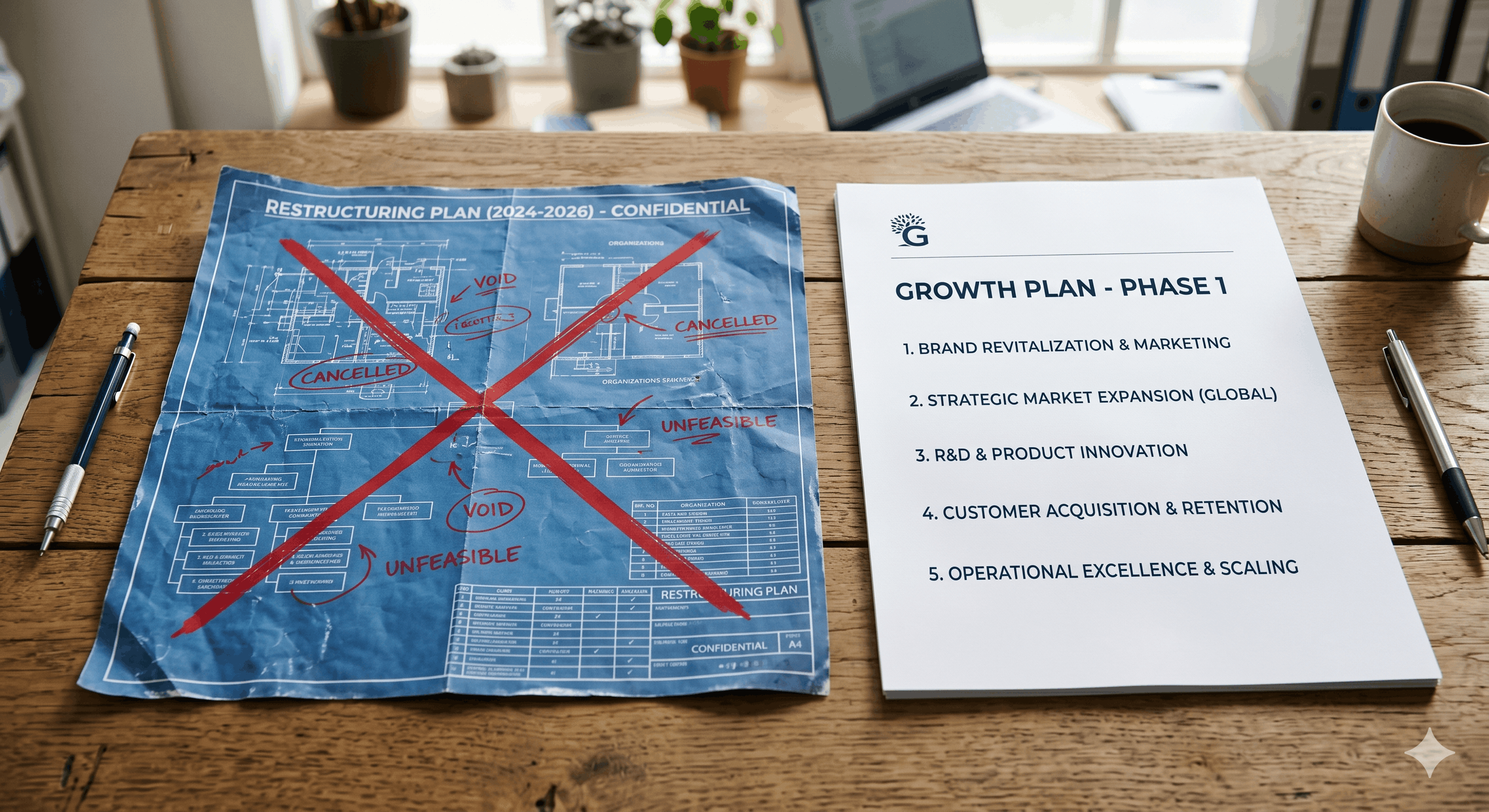
The market should treat the halted breakup as a positive in its own right, not merely as a footnote to the quarter. In the Q&A, CEO Steve Cahillane said pausing the split freed up resources across the organization, and management has redirected that bandwidth toward growth and execution rather than separation mechanics.
That distinction matters. Berkshire exiting the stock and Kraft Heinz pausing the split are two different issues, and both deserve to be evaluated separately. Berkshire’s exit removed a well-known overhang, but the halted split is what gives management permission to think like long-term owners again: to invest in Heinz, Philadelphia, Capri Sun, Lunchables, and other brands without planning around a self-inflicted corporate divorce.
There is real strategic value in not splitting the company in two. Management is now leaning into a $600 million investment plan across product superiority, pricing, marketing, sales, and R&D, while also simplifying the U.S. operating model with new leadership, revised incentives, and rewired decision-making processes. Brand investment works best when it is paired with organizational stability; this company finally has a better chance to do both at the same time.
Berkshire’s Exit Looks Priced In
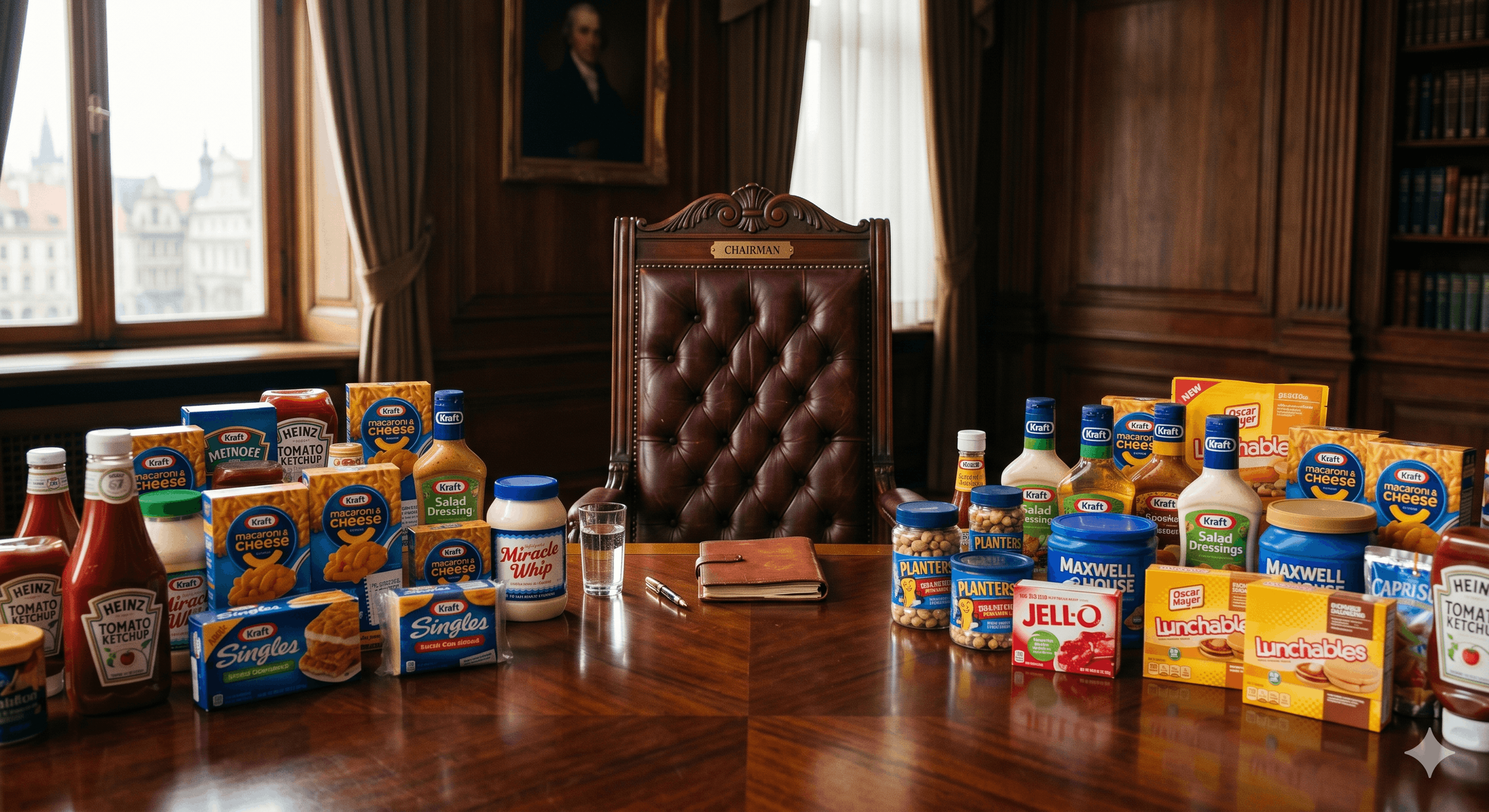
The Berkshire angle still gets attention because people enjoy attaching mystical significance to Buffett’s seating chart. But from an investment standpoint, Berkshire’s exit increasingly looks like old news.
Kraft Heinz still trades with the sort of skepticism one would expect from a company with uneven growth, a messy history, and no shortage of scars, and that suggests the market has already spent ample time digesting the departure of its marquee shareholder. At this point, the more important question is not whether Berkshire sold, but whether the remaining business can earn a better multiple through steadier execution and brand-led improvement.
There Is Still Operational Discipline Here
Encouragingly, management is not pretending growth magically exempts them from arithmetic. The company continues to emphasize productivity, cash generation, debt reduction, and leverage discipline, with net leverage expected to be no higher than 3.3x this year and a stated path back to target within roughly two years.
That matters because Kraft Heinz is not buying growth with reckless abandon. It delivered roughly $160 million of gross efficiencies in the quarter, said productivity remains the first line of defense against inflation, and is trying to fund heavier commercial investment without blowing up the balance sheet or the dividend policy in the process. There is nothing sexy about operational discipline, which is probably why it is so often undervalued.

Where Growth Can Come From
The company’s path forward is not mysterious. In the U.S., the plan is to stabilize and improve the core through better pricing architecture, more focused marketing, renovation of legacy products, and bigger swings in categories where Kraft Heinz still has a right to win, particularly Taste Elevation and Hydration.
Internationally, Heinz remains the spearhead. Management highlighted Heinz-led growth in emerging markets, distribution expansion, away-from-home opportunity, and a broader effort to stretch the Heinz brand into more occasions and geographies, including innovations like Heinz Zero in Brazil. None of this requires heroic assumptions; it merely requires the company to act like a steward of brands rather than a curator of old pantry relics.
The Value Contrarian Case
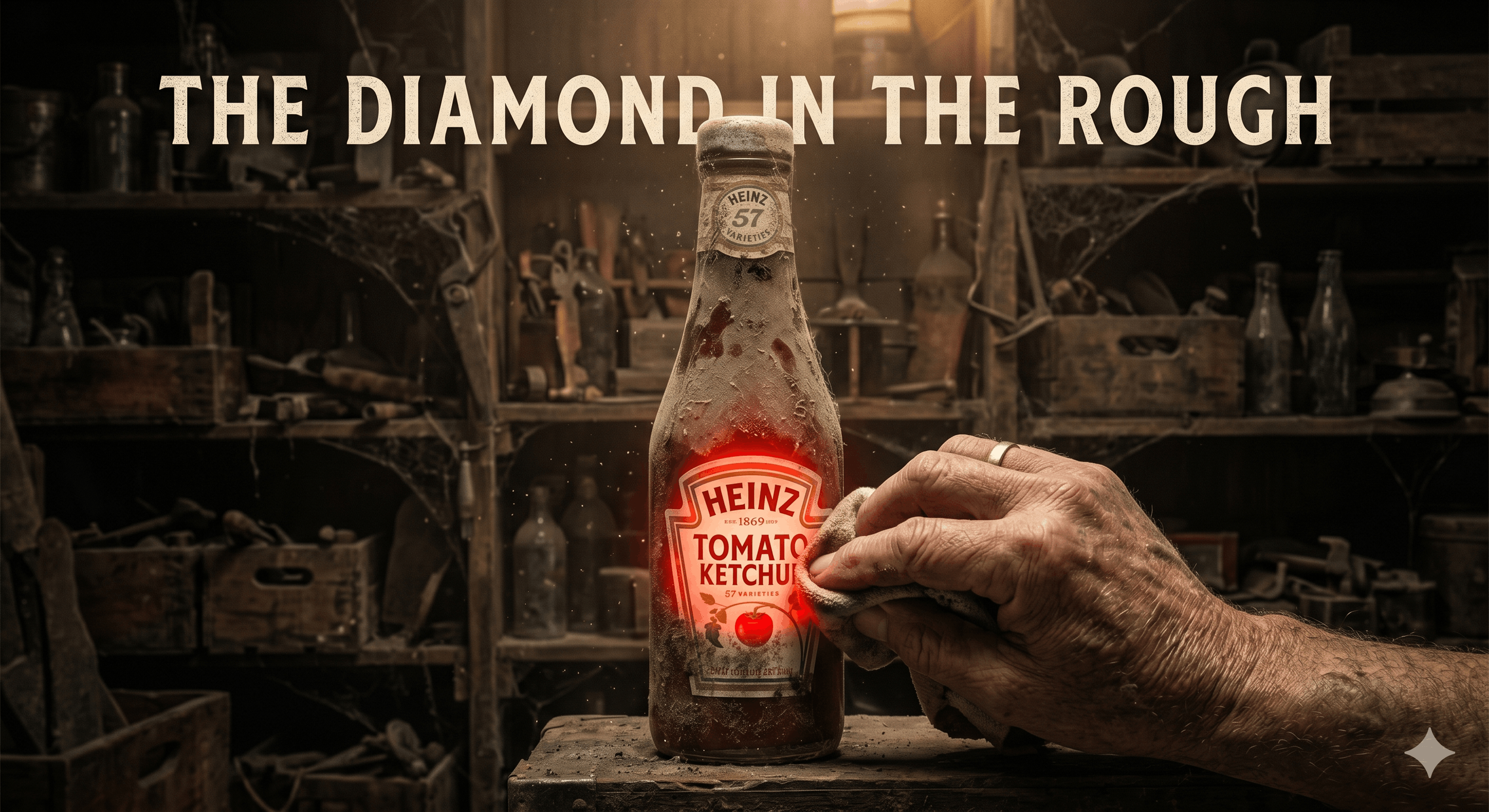
The case for KHC is not that it is cheap for no reason. The reasons are obvious: sluggish top-line history, category pressure, inflation, consumer softness, and years of strategic drift. The opportunity is that the stock appears priced as though these problems are permanent while the business itself is showing signs of being merely repairable.
That is often enough. A stable dividend, strong free cash flow, improving share trends, continued productivity, and a renewed willingness to invest behind the brands can go a long way when nobody expects much in the first place. Kraft Heinz does not need to become extraordinary. It merely needs to become less stupid, more focused, and more patient than it has been.
Final Take
Kraft Heinz remains the kind of stock that makes fashionable investors yawn, which is usually a decent place to begin. The quarter showed a company with intact cash flow, a maintained dividend, credible operating discipline, and — importantly — a clearer runway for long-term brand building now that the split is off the table.
Berkshire’s exit is a headline. The halted breakup is a strategy. If management keeps using that breathing room to invest intelligently and execute with discipline, KHC still looks like a respectable contrarian holding hiding in plain sight
Disclosure: This analysis is for informational purposes. Position sizing and risk management are essential. Do your own due diligence.
Please note that the Woodworth Contrarian Stock & Bond Fund, LP, of which the Millegan Brothers manage and are invested in, currently hold a position of KHC as of the publication date of this article. They may or may not choose to modify their exposure to this name for any reason at any time. This is not a recommendation to buy or sell KHC or any other name - investments incur significant risk, our risk tolerance may be significantly higher than the average investor, and any discussion in this article does not take into consideration your individual circumstances.
DEEP ROOTS. STUBBORN GROWTH. OREGON-BASED.
Now is a great time to diversify your portfolio with an investment into an award-winning fund. Call us or visit our website to inquire on an investment today in the Woodworth Contrarian Fund as an accredited investor.
(800) 651-1996 - info@woodworth.fund - www.Woodworth.Fund
Contrarian Value-Based Hedge Fund of the Year 2022-2024


Quinn Millegan (left) & Drew Millegan (right)
About the Managers: Brothers Drew Millegan and Quinn Millegan manage the Woodworth Contrarian Stock & Bond Fund, a hedge fund based in McMinnville, Oregon. They grew up in the finance world, and specialize in contrarian investment strategies in the US Public and Private markets.
Something missing from your portfolio may be a diversification into the Woodworth Contrarian Fund for accredited investors. Now is a great time to diversify your portfolio with an investment into a multi-award-winning fund. An exposure to a value-based contrarian strategy is a unique opportunity for your long term capital that you’re seeking aggressive returns for. With nine years of the Woodworth Fund under management, the Millegan Brothers are trained stock-pickers and experienced venture capital investors with a proven track record. Give us a call today to discuss a liquid investment with independent administration and independently audited monthly statements and a personal relationship.
